Month: March 2020

Coronavirus Update for Beekeeping Members

The situation with the COVID19 pandemic is changing rapidly, although the advice now is that we are on lockdown and are to avoid all but essential travel and practise social distancing.

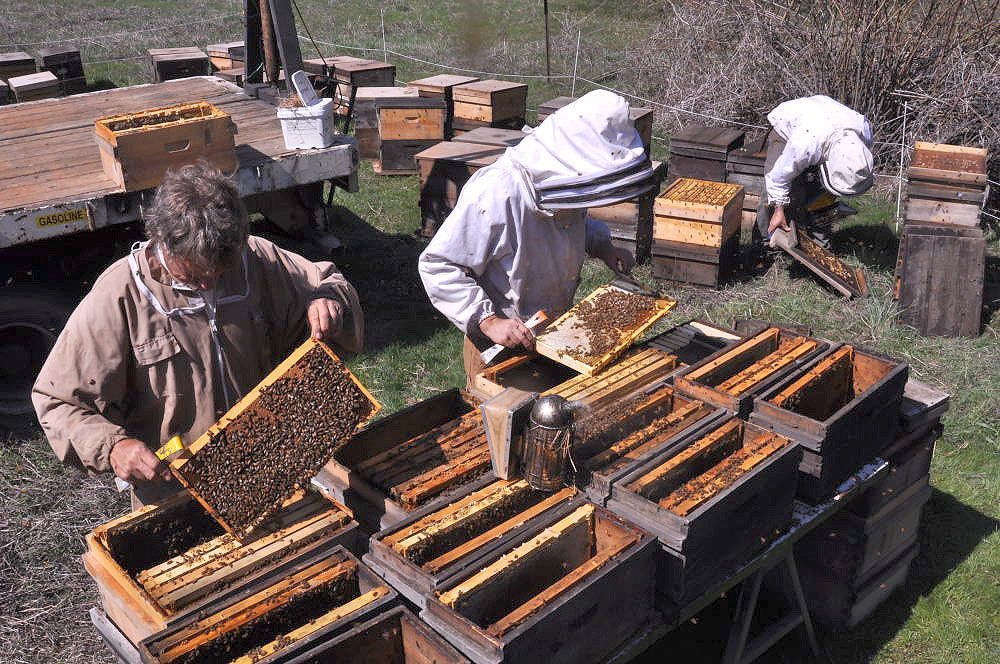
The National Bee Unit (NBU) has just published advice to beekeepers, which you may have seen.  Bees are classed as livestock and so need to be looked after appropriately. This means that we are allowed to visit out-apiaries and manage our bees. However, extra care must be taken in doing so. The emergency services are already stretched and beekeeping accidents as well as road traffic accidents will not be helping them, so please be extra careful if visiting out-apiaries. In addition social distancing must be respected, and this means inspecting a colony on your own without anyone else being within 2 metres of you unless you are from the same household.  The NBU stresses two people maximum in an apiary.

If you are unable to care for your bees then our usual contacts are available for advice, including District Advisers and Improver Group leaders. You may also need to contact beekeeping friends, particularly if you cannot visit your bees because you are unwell or are self-isolating.  Equally, if you are able to help others, please let us know.

Swarm collection can carry on as before, but please follow government guidelines on travel and social distancing.  There might be dangers of unforeseen contact with other people, for example in a public space, or if it is not clear where the swarm is or the only access is through someone’s house.  Do feel that you have the right to refuse to deal with a swarm at any stage if there are risks in the situation.

As you will have seen Beds BKA has already cancelled all meetings including Beginners Courses, Apiary training and trustee meetings until further notice.
March Apiary Notes 2

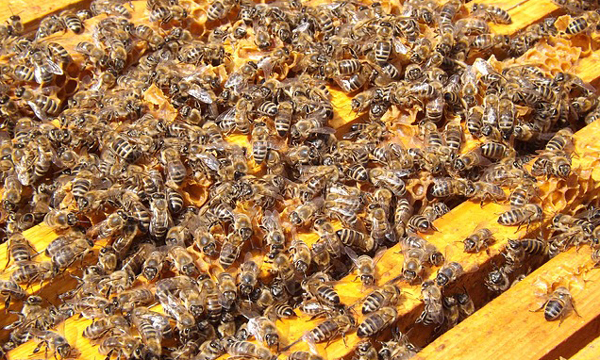
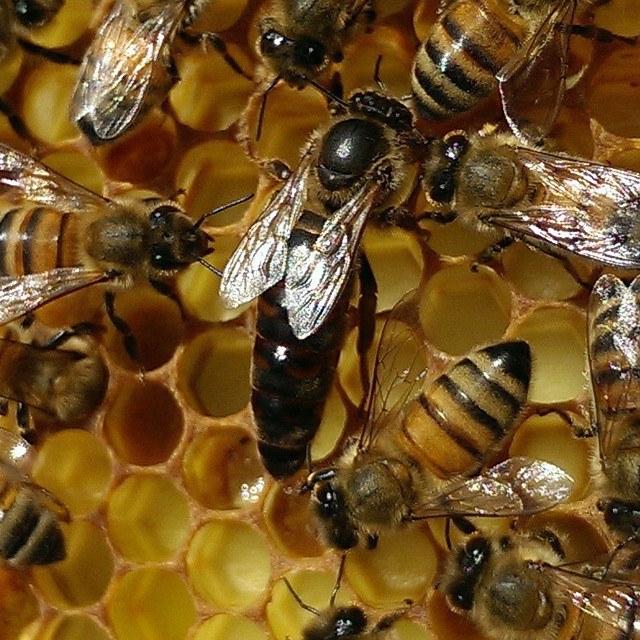
The winter we had has been a very mild one and, as a consequence, many colonies have come through with more bees than usual. Today I checked most of my hives with the intention of placing a queen excluder and a super above the crown board to provide space should the bees need it. If they become too cramped early in the season they can start swarm preparations quite early. Supers were only added to strong colonies, i.e. those with three quarters or more of adults in the brood box.

However, instead of giving some colonies more space some needed feeding again even though they already had one or two nuc feeder trays. I find it easier to use these small trays to provide a top up rather than bring the contact feeders back into use. Because some colonies have almost a brood box of adults, they are also raising lot more brood than usual and to raise that brood bees need stores.

So do check your colonies, especially the stronger ones as they are the ones prone to starvation. Use a strong syrup to tide them over; the temperature is high enough now for them to take it down.

Wally

Queen rearing

Queen breeding and rearing are two areas that many members have shown a keen interest in and further to our talk earlier in the year from Kevin Thorn on the native bee reserve at Abberton Resevoir, we have invited two of our members with experience in this area to talk about the projects that they have been involved in.

Paul Walton has organised a local bee breeding group with the aims of demonstrating the methods used by COLOSS to evaluate bees and encouraging it’s members to follow these in order to find objective data with which to improve their breeding stock.  He will be reporting back on the successes of the group.

The presentation is here.

Dave Corbett has run a number of sessions to demystify the ‘dark art’ of queen rearing, and enable beekeepers of all levels to have a go at raising their own queens, with a number of members having attended practical sessions in the apiary. He aims to encourage bee improvement by equipping members with the skills and and understanding of how they can raise their own queens and the impact that selection has across their surrounding area.

The presentation is here.

March Apiary Notes

At the time of writing it is still raining and no sign yet of any prolonged dry spell. Talking with a farmer yesterday there is limited time now for fields to dry out to enable them to sow spring crops. Spring bean falls into this category which is often in the ground by this time. So there may be limited agricultural forage available for our bees this season, especially as there is less oil seed rape around this year.

March is the danger month for our bees as they may run out of stores before they can forage for the first nectar flow. Do check and heft your hives and feed fondant to tie them over. If fondant is not available then soak a bag of white sugar in warm water for a few minutes and place the bag over a feed hole, making a small hole in the bag to allow bees access to the mixture. This is an extreme remedy but it is too cold as yet to feed them syrup in contact or tray feeders. If the outside temperature goes above 10c then bees are more interested taking syrup down. Remember, dead bees don’t make much honey!

Next week I intend to give Vitafeed to my bees. This is a protein powder and hopefully it will stimulate brood production. Looking at the rape near to my bees I think it will flower by mid April so stimulating the colony soon should provide a larger workforce when the rape is in flower. This powder is applied two or three times over the coming weeks to provide protein when bees are confined to the hive when bad weather prevents foraging.

Over the winter I have spent a lot of time maintaining my equipment in readiness for the coming season. New brood frames are partially assembled; the wax foundation will be added just before they are needed. Putting foundation in too early may let the wax buckle or be damaged or go stale before use.

Beetradex is just a week away at Stoneleigh and is a great opportunity to bag a bargain. A plug for the use of nucs. They are a great way to overwinter bees to make up for winter losses. At Beetradex there are various suppliers where nucs can be picked up at a good price. For more information on nucs see the article on our website:

https://bedsbka.org.uk/article/nucs-and-how-to-use-them-effectively/

Enjoy your beekeeping for the coming season.

Wally Thrale