Zoom Talk – “Those Pesky Yellow Hornets” by Jack Silberrad
We have an exciting new Zoom talk by Jack Silberrad on Wednesday 4th November. Jack talked at our last AGM and you will remember how knowledgeable and also entertaining he is!
This year YLH were found in Cambridgeshire – so they are getting closer.
It is easy to be complacent. It would be a mistake to only take action when you find your apiary under attack with the bees too scared to come out of their hive – preferring to starve themselves to death rather than face the hornets.
Find out the current state of play, and what we need to do to remain vigilant to prevent the spread across Bedfordshire.
The talk is on zoom – you will automatically be sent the link to the talk on the day if you have reserved a ticket.
Sorry, but you do not have permission to view this content. If you believe that you should have access to this content please contact the administrator.
Sorry, but you do not have permission to view this content. If you believe that you should have access to this content please contact the administrator.
Sorry, but you do not have permission to view this content. If you believe that you should have access to this content please contact the administrator.
Our annual Honey Show, run to National Honey Show rules, is where beekeepers and others submit their honey, wax items, cookery and craft items related to bees and beekeeping for judging by experienced judges, with rosettes and trophies awarded to winners. There are entry classes not only for our members but also for other beekeepers and the public.
NBU inspectors demonstrate inspection for and recognition of bee pests and diseases (including AFB and EFB).
This is an event that all beekeeping members should attend to learn about, or refresh your knowledge on, bee pests and diseases. Even if you have attended previous similar events, you should not miss the opportunity to update your knowledge and ability to recognise exotic pests and devastating diseases. Seeing EFB and AFB infected combs at first hand so you can recognise them is so important to us all.
The day will include:
Latest information on exotic pests – Asian Hornet and Small Hive Beetle
Latest information on permitted varroacides and varroa management
Comb Workshop – examination of real infected comb (including the reportable diseases AFB and EFB)
Inspectors demonstrating an apiary hive health inspection – how to do a thorough disease inspection.
Our annual Honey Show, run to National Honey Show rules, is where beekeepers and others submit their honey, wax items, cookery and craft items related to bees and beekeeping for judging by experienced judges, with rosettes and trophies awarded to winners. There are entry classes not only for our members but also for other beekeepers and the public.
Our Honey Festival (10.30am to 4pm) is a fun day for all with stalls and talks throughout the day. Tasting and sales of local honey are always popular. There will be live bees on display, children’s crafts, candle rolling, talks such as “So You Want To Be A Beekeeper” and “Gardening For Bees”. Do come along, we would love to see you.
See the Honey Show page for more details including how to enter
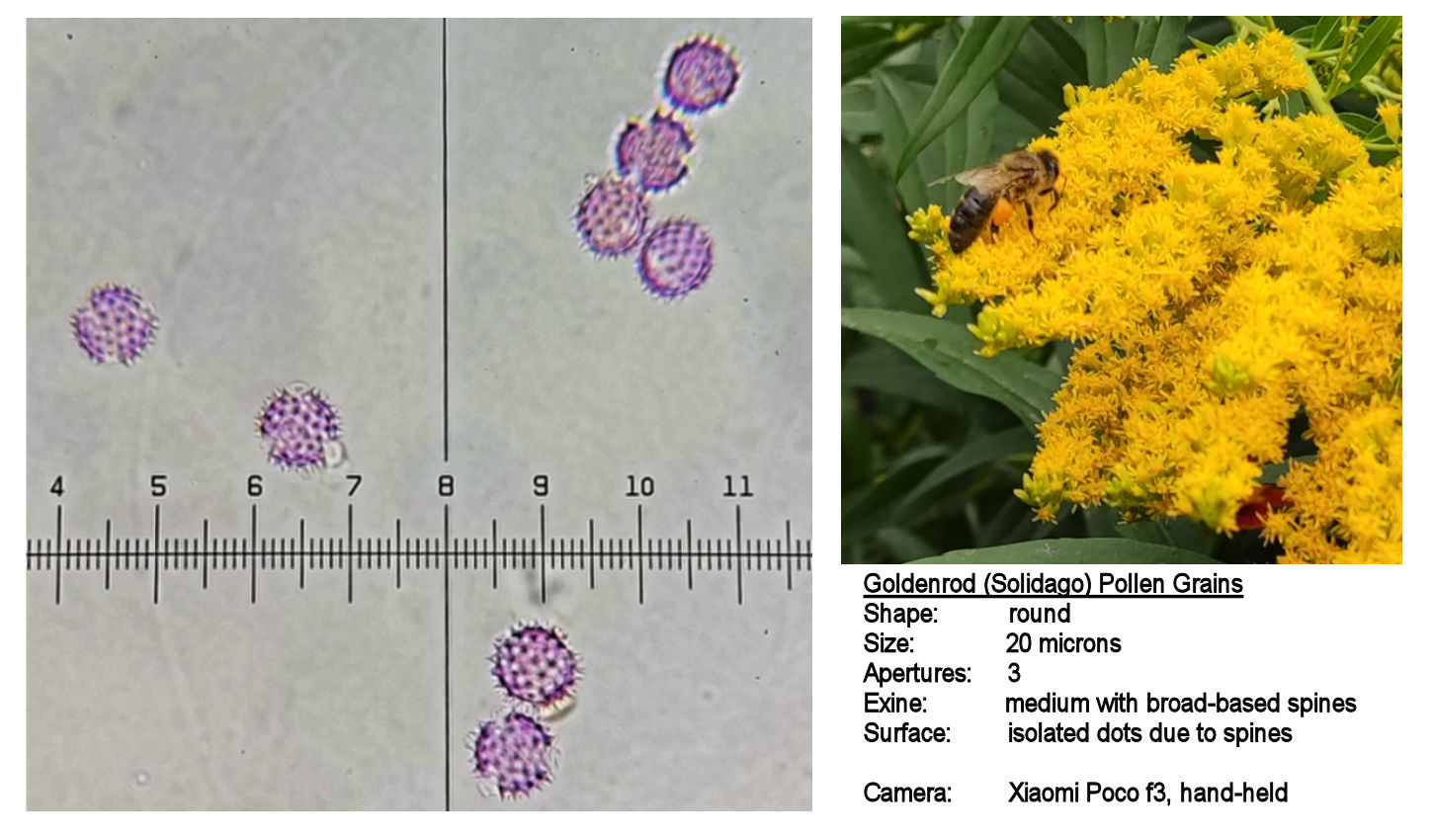
Sean Stephenson (chair of Bucks County BKA and a Master Beekeeper) will run an 1-day introductory microscopy course for us at Steppingly village hall on Sunday 30th March. The course will include introduction to bee dissection and making pollen slides. Microscopes and all other equipment required will be provided. If you have your own microscope, you are welcome to bring it along. You will need to bring your own lunch. Course fee is £20.
This course is suitable for beginners and new beekeepers.
A series of 6 classroom based sessions will be held at Moggerhanger Village Hall on Wednesday evenings from 7.30 to 10.00pm covering basic theory; a break for coffee/tea is included. The 2025 course starts on Wednesday 29th January with subsequent sessions on the 12th, 19th, 26th Feb and the 12th, 19th March (note not consecutive weeks due to venue availability).
Once the weather improves, we move outside to our training apiary for practical experience throughout the spring and summer. Practical sessions are held on Sunday mornings at Priory Country Park (weather permitting).
The course fee (£98) includes all classroom and practical sessions as well as full membership of Bedfordshire Beekeepers Association until the end of 2025.
Don’t miss the start of our autumn talks! Get a free ticket now to a talk on “Practical Beekeeping” by Professor Robert Pickard. This talk will be useful to all beekeepers whether beginner, improver or experienced.
We use cookies to determine if you are logged in as a Bedfordshire Beekeepers Association member or a member of the public. Please choose how you would like to proceed using the buttons provided:
Cookie Preferences
Manage your cookie preferences below:
Essential cookies enable basic functions and are necessary for the proper function of the website.
Name
Description
Duration
Cookie Preferences
This cookie is used to store the user's cookie consent preferences.
30 days
These cookies are used for managing login functionality on this website.
Name
Description
Duration
wordpress_logged_in
Used to store logged-in users.
Persistent
wordpress_sec
Used to track the user across multiple sessions.
15 days
wordpress_test_cookie
Used to determine if cookies are enabled.
Session
Statistics cookies collect information anonymously. This information helps us understand how visitors use our website.
Jetpack's built-in visitor analytics. It records page views, referring sites, search terms, and outbound link clicks, and also carries the shared visitor-tracking library used by Jetpack Instant Search and WooCommerce Analytics.